
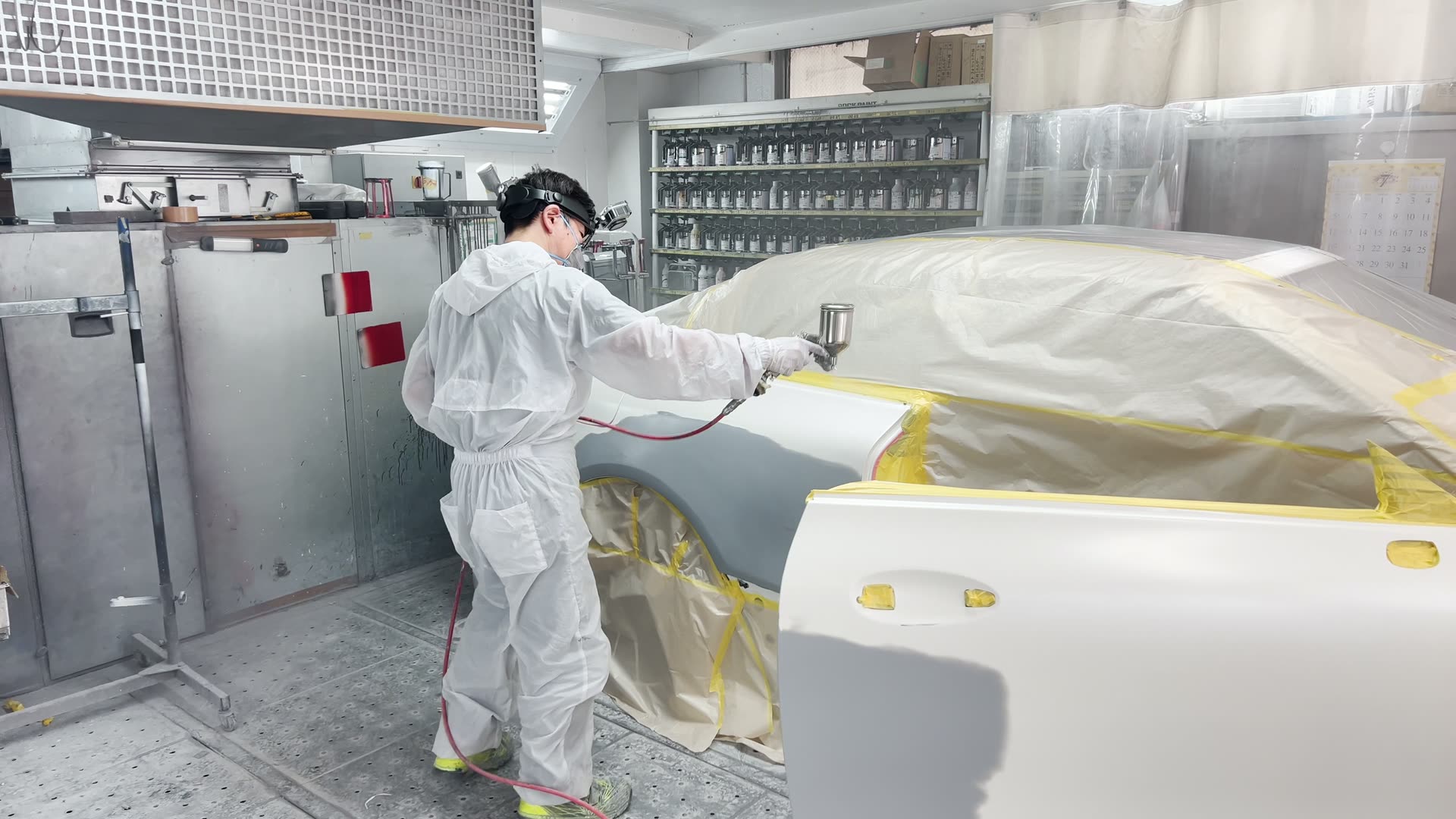
The work those hands built should keep going.
Keep Japanese industry moving.
We put robots to work where Japan is short of hands.
/ 00 — WHY
Japan runs on hands, and now there are not enough of them. On factory floors, on demolition and construction sites, out in the fields, no one is coming next, and the knack that never gets written down leaves with the people. We record that work where it happens, and put a robot where the hands are missing.
Backed by



/ 01 — WHAT WE DO
What we do
01
We deploy robots
We put a robot on work that is short of hands, and stay with it until the job can really be left to it. We do not sell a machine and walk away.
02
It runs on physical AI
Not a robot that replays one taught motion. It looks at what is in front of it and adjusts, even when the shape or position changes every time.
/ 02 — HOW IT RUNS
Deployment process
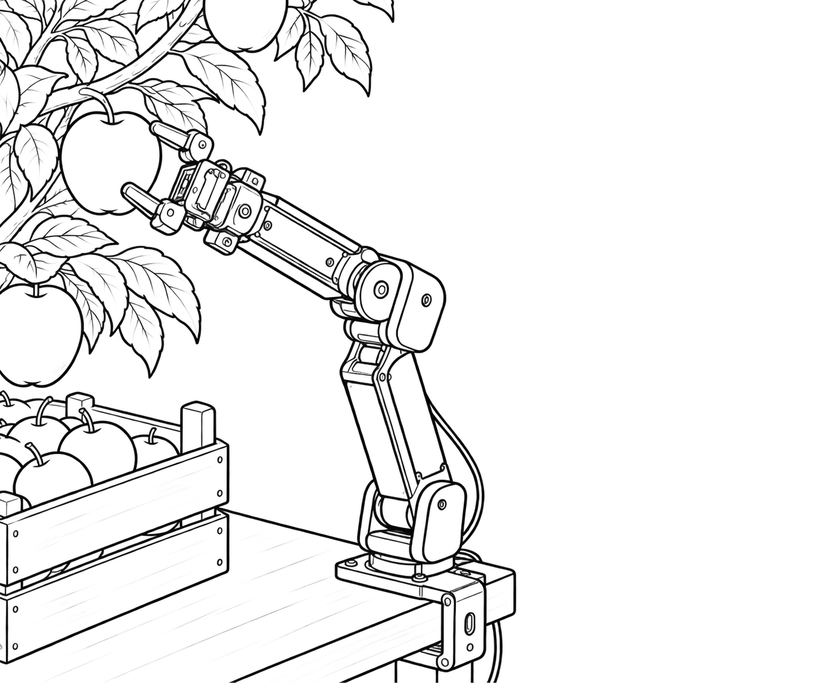
Harvesting and sorting
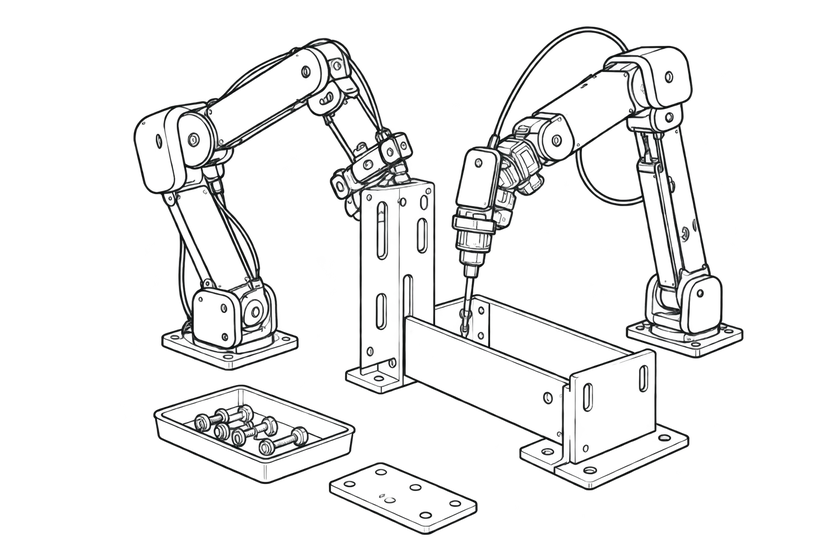
Gripping and fastening
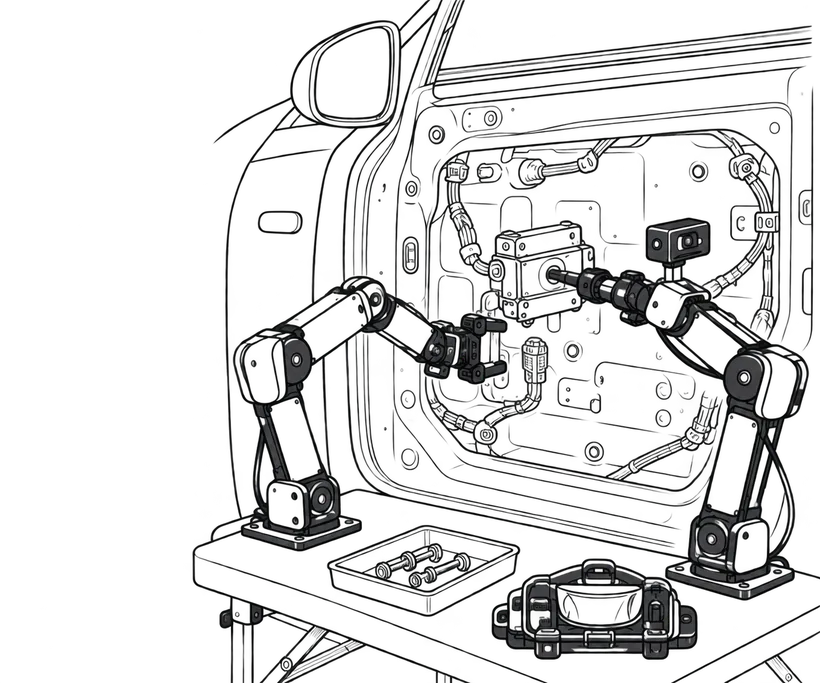
Dismantling and processing
01
Record the work
We come to the site and record how the work is actually done, including the knack nobody ever wrote down, without stopping anyone's hands.
02
Put it where the work already is
The robot goes onto the spot where someone is standing today. We do not rebuild the site or add special fixtures. We start with one task, in any trade.
03
A person takes over
The moment it is about to stall, someone watching remotely steps in. A person finishes that task, so the work on site keeps moving.
04
It learns that site
Every time a person takes over, that moment stays with the robot as experience from that site. The more the same work repeats, the less it stalls in the same place.
/ 03 — PHYSICAL AI
What is physical AI?
Physical AI looks at the situation in front of it through cameras and sensors, and moves its hands to match. Unlike AI that works with text or images on a screen, it works with real objects.
Conventional industrial robots
- Replays a taught motion exactly
- Stops when a part is off in position or angle
- Needs dedicated fixtures to prevent that
- Has to be reprogrammed when the task changes
Physical AI
- Looks, then decides how to move
- Adjusts when shape or placement varies
- Works on the bench you already have
- Learns new tasks by watching people
Work that repeats the same motion tens of thousands of times is what conventional robots are good at. We go after the opposite: picking fruit where every piece is shaped differently, removing bolts that have each rusted their own way, grabbing parts that never sit the same way twice. Work that has always needed human eyes and hands.
It cannot do everything yet. When it hesitates, a person watching remotely takes over, and that moment stays with the robot as something learned.
/ 04 — CONTACT
Contact
Start by showing us the site. A conversation is enough to begin, in any trade.
Talk to usPrefer email? Reach us at contact@minamoto.ai.